
Vietnamese Coffee: A Comprehensive Guide
Vietnamese coffee, or ca phe, is deeply ingrained in the nation’s culture and adored globally, blending bold flavors with creamy sweetness—a truly unique experience!
A Brief History of Coffee in Vietnam
Coffee’s journey to Vietnam began in the mid-19th century, introduced by the French colonists. Initially, it was cultivated in the northern regions, primarily for French consumption. However, over time, coffee production expanded, and Vietnam gradually developed its own distinct coffee culture.
The turning point came in the late 20th century when Vietnam shifted its focus to Robusta beans, known for their high caffeine content and resilience; This strategic move propelled Vietnam to become one of the world’s leading coffee exporters, second only to Brazil.
The traditional phin filter became central to Vietnamese coffee preparation, and the addition of sweetened condensed milk emerged as a defining characteristic, born from a time when fresh milk was scarce. Today, Vietnamese coffee represents a rich heritage and a beloved daily ritual for millions.
The Significance of Coffee Culture in Vietnam
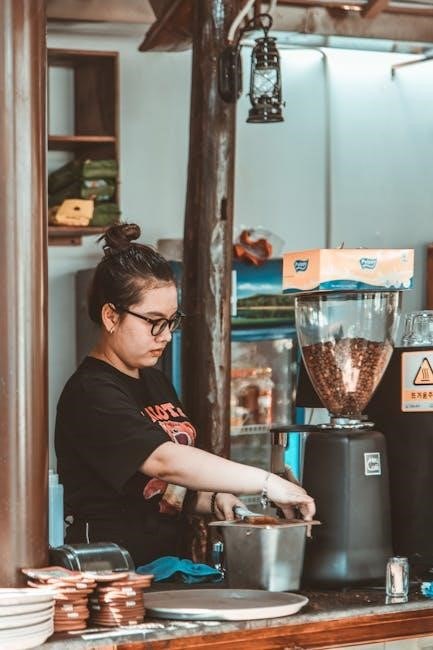
Coffee in Vietnam transcends a simple beverage; it’s a deeply woven social and cultural fabric. Coffee shops, known as quán cà phê, are ubiquitous, serving as vibrant hubs for socializing, conducting business, and simply observing life unfold. They are integral to the daily routines of Vietnamese people.
The slow-paced ritual of brewing and enjoying ca phe encourages connection and contemplation. Sharing a cup is a gesture of hospitality and friendship. The unique preparation methods, like using the phin filter, are passed down through generations, preserving tradition.
Vietnamese coffee culture reflects a blend of French colonial influence and local adaptation, resulting in a distinctive experience. It’s a testament to the country’s resourcefulness and its ability to transform a foreign import into something uniquely its own, cherished by locals and visitors alike.
Essential Equipment for Brewing
Brewing authentic Vietnamese coffee requires minimal tools: a phin filter, a sturdy cup, and a method for heating water are the core components for success!
The Phin Filter: Types and Usage
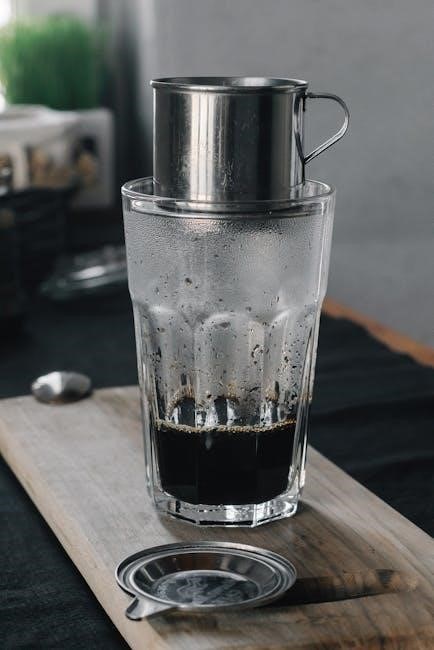
The phin is central to Vietnamese coffee preparation, a small, affordable, and incredibly effective brewing device. Typically made of stainless steel, it consists of a chamber holding the ground coffee, a perforated metal filter pressing the grounds down, and a lid to retain heat.
There are primarily two types of phin filters: individual and multi-cup. Individual phins brew one serving at a time, ideal for personal enjoyment, while larger versions brew multiple servings simultaneously. The size dictates brewing time and coffee strength.
Using a phin is straightforward. Add ground coffee to the chamber, gently shake to level, and place the filter on top. Add a small amount of hot water to bloom the coffee, then slowly pour in the remaining water. The lid is then placed on, and the coffee drips slowly into the cup below, creating a rich, concentrated brew. Proper usage ensures optimal flavor extraction.
Choosing the Right Cup
Selecting the appropriate cup enhances the Vietnamese coffee experience, impacting both temperature retention and aesthetic enjoyment. Traditionally, small, sturdy glass cups are favored, allowing observation of the slow drip from the phin filter – a visual element of the brewing ritual.
The cup’s size should complement the phin; a standard phin brews roughly 4-5 ounces, so a similarly sized cup prevents overflow and maintains coffee warmth. Ceramic cups are also suitable, offering excellent heat retention, though they obscure the visual drip.
Consider the cup’s shape. A wider mouth facilitates the aroma’s release, while a narrower opening concentrates the scent. Ultimately, the “right” cup is a matter of personal preference, balancing functionality with the desired sensory experience. A simple, elegant design complements the coffee’s rich character.
Ingredients: The Foundation of Flavor
Authentic Vietnamese coffee relies on high-quality beans and sweetened condensed milk, creating a harmonious balance of robust coffee notes and creamy sweetness.
Vietnamese Coffee Beans: Robusta vs. Arabica
Vietnamese coffee predominantly features Robusta beans, known for their bold, strong flavor and higher caffeine content – a characteristic deeply appreciated in traditional preparations. Unlike the more commonly consumed Arabica, Robusta offers an earthy, rubbery undertone and creates a thicker crema when brewed. This bean type thrives in Vietnam’s climate, contributing to the country’s status as a leading Robusta producer.
However, Arabica beans are gaining popularity, particularly among specialty coffee enthusiasts. Arabica provides a smoother, more aromatic experience with notes of chocolate and caramel. While less traditional, the use of Arabica allows for nuanced flavor profiles and caters to evolving palates. Many modern Vietnamese coffee shops now offer blends incorporating both Robusta and Arabica, aiming to balance strength with complexity. Ultimately, the choice between Robusta and Arabica depends on individual preference and the desired coffee experience.
The Role of Condensed Milk: Brands and Sweetness Levels
Condensed milk is integral to the Vietnamese coffee experience, providing a distinctive sweetness and creamy texture that balances the robust coffee’s intensity. It originated as a practical substitute for fresh milk, which was historically scarce. Today, it’s a defining element of iconic drinks like Cà Phê Sữa Đá.
Several brands dominate the Vietnamese market, with Ong Tho being a widely recognized and favored choice, known for its consistent quality and sweetness. Other popular options include Nidec and Longevity. Sweetness levels are highly customizable; traditionally, a generous amount is used, but modern preferences lean towards adjusting the quantity to suit individual tastes. Experimenting with different amounts allows you to control the drink’s overall balance, creating a personalized coffee experience. Some even use different types of condensed milk – sweetened versus unsweetened – for varied results.

Optional Additions: Coconut Milk, Chocolate, and Spices
While traditional Vietnamese coffee centers around robusta coffee and condensed milk, adventurous palates often explore exciting additions. Coconut milk presents a delightful alternative to condensed milk, offering a lighter, tropical sweetness and creamy texture that complements the coffee’s boldness. This variation, Cà Phê Dừa, is particularly refreshing served iced.
Chocolate, typically cocoa powder or chocolate syrup, introduces a decadent twist, creating a mocha-like experience. A dash of cinnamon, cardamom, or even a pinch of chili powder can add warmth and complexity, elevating the coffee beyond the conventional. These spices subtly enhance the coffee’s natural flavors, providing a unique aromatic profile. Experimentation is key – feel free to blend these additions to discover your perfect Vietnamese coffee fusion, tailoring it to your individual preferences and creating a truly personalized brew.
Brewing the Perfect Cup: Step-by-Step
Mastering Vietnamese coffee involves a deliberate process: preparing the phin, blooming the grounds, and patiently dripping the brew for a rich, flavorful experience.
Preparing the Phin Filter
The phin filter is central to Vietnamese coffee brewing, a small, affordable device yielding exceptional results. Begin by ensuring your phin is clean and dry. Next, add approximately 2-3 tablespoons of finely ground coffee – medium-coarse is ideal – into the chamber. Gently shake to evenly distribute the grounds.
Place the perforated metal filter disc on top of the coffee, pressing down lightly to compact it. This creates a level surface for the water and controls the drip rate. Then, place the lid on top of the filter; this helps retain heat during brewing and prevents splashing.
Before brewing, preheat the phin by pouring a small amount of hot water over the lid. Discard this water, warming the metal and your cup below. This crucial step ensures optimal flavor extraction and a consistently delicious cup of ca phe. Proper preparation is key to unlocking the phin’s potential!
The Blooming Process: Maximizing Flavor Extraction
Once the phin is prepared, the “blooming” stage is vital for optimal flavor. Begin by pouring a small amount – roughly 20-30ml – of near-boiling water (around 205°F or 96°C) over the coffee grounds. This initial pour saturates the coffee, releasing trapped carbon dioxide, a process known as blooming.
Allow the coffee to bloom for approximately 30-45 seconds. You’ll notice the grounds puff up and bubble as the gases escape. This degassing allows for a more even and complete extraction during the subsequent brewing process, resulting in a richer, smoother cup.
Skipping the bloom can lead to a sour or underdeveloped flavor profile. Blooming unlocks the coffee’s full aromatic potential, enhancing its sweetness and complexity. It’s a simple step with a significant impact on the final brew’s quality, a cornerstone of Vietnamese coffee preparation.
Dripping and Serving: Timing and Technique
After the bloom, slowly pour the remaining hot water into the phin, filling it almost to the top. Aim for a consistent, gentle pour to ensure even saturation. The drip rate should be slow and steady, taking approximately 4-7 minutes for a full extraction – patience is key!
Avoid disturbing the phin during the dripping process. A consistent drip indicates proper brewing. Once all the coffee has dripped through, remove the phin and gently stir the coffee with the condensed milk. The amount of condensed milk is a personal preference, adjusting for desired sweetness.
Traditionally, Cà Phê Sữa Đá is served over ice. The contrast between the hot coffee and cold ice creates a refreshing experience. Enjoy immediately, savoring the rich aroma and bold flavor of this iconic Vietnamese beverage!
Classic Vietnamese Coffee Variations
Explore beloved Vietnamese coffee styles, including Cà Phê Sữa Đá (iced coffee with condensed milk), Cà Phê Đen Đá (strong black iced coffee), and Hanoi’s unique Cà Phê Trứng!
Cà Phê Sữa Đá: The Iconic Iced Coffee
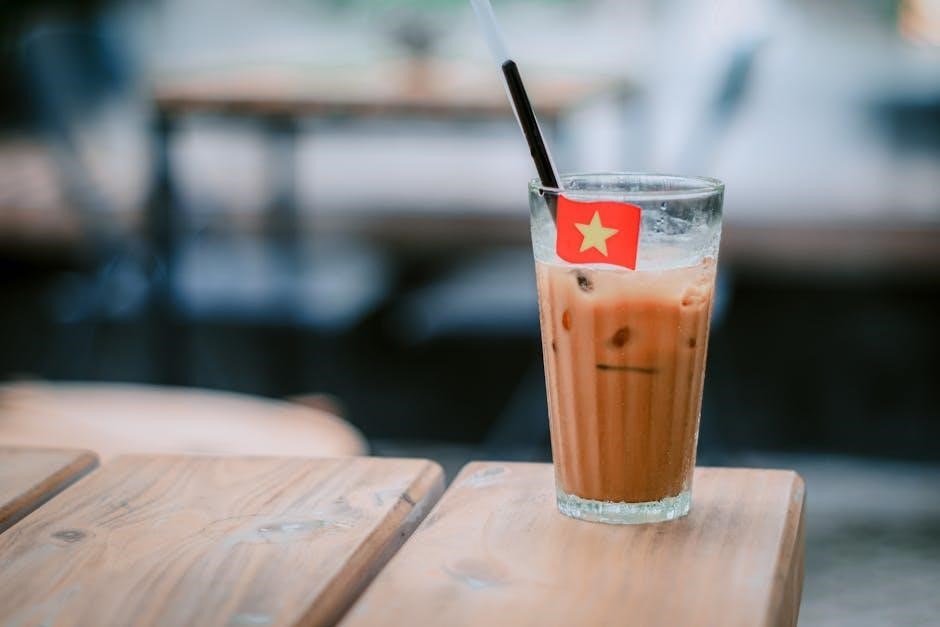
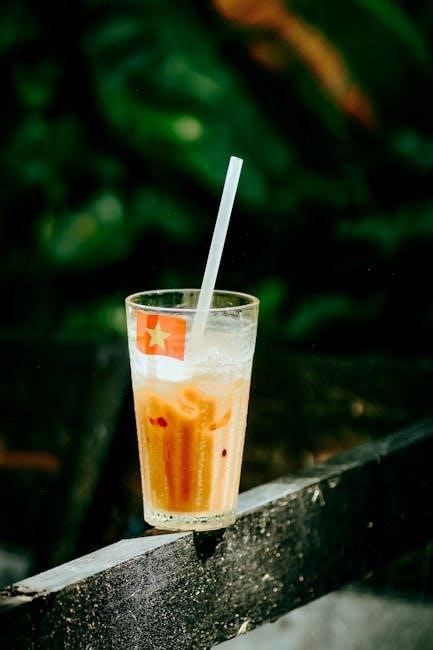
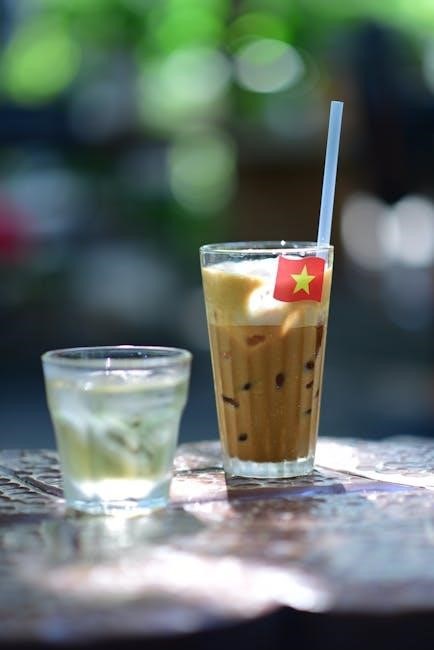
Cà Phê Sữa Đá, translating to “coffee with milk and ice,” is arguably the most recognizable Vietnamese coffee variation and a true national treasure. This delightful beverage perfectly balances the robust, often Robusta-based, coffee with the intense sweetness and creamy texture of condensed milk.
The preparation begins with slowly dripping coffee through a phin filter directly into a glass containing a generous amount of sweetened condensed milk. Once brewed, the coffee is stirred vigorously with the condensed milk, creating a harmonious blend. Finally, a generous helping of ice is added, resulting in a refreshing and invigorating drink.
The key to a perfect Cà Phê Sữa Đá lies in the quality of both the coffee and the condensed milk, as well as the patience to allow the coffee to drip slowly for optimal flavor extraction. It’s a simple yet profoundly satisfying experience, embodying the essence of Vietnamese coffee culture.
Cà Phê Đen Đá: Strong Black Coffee
Cà Phê Đen Đá, meaning “black coffee with ice,” offers a purist’s experience of Vietnamese coffee, showcasing the bold and intense flavors of the coffee beans themselves. Unlike its sweeter counterpart, Cà Phê Sữa Đá, this variation contains no condensed milk, allowing the coffee’s natural characteristics to shine through. It’s a favorite among those who appreciate a strong, unadulterated coffee kick.
The brewing process mirrors that of Cà Phê Sữa Đá, utilizing the traditional phin filter. However, the coffee drips directly into a glass, ready to be poured over a generous amount of ice. The resulting drink is a dark, potent brew with a slightly bitter edge, balanced by a subtle sweetness inherent in the Robusta beans often used.
Cà Phê Đen Đá is a testament to the quality of Vietnamese coffee beans and a perfect choice for those seeking a robust and invigorating caffeine boost. It’s a simple, yet deeply satisfying, coffee experience.
Cà Phê Trứng: Egg Coffee – A Hanoi Specialty
Cà Phê Trứng, or egg coffee, is a uniquely Hanoian creation, born from a coffee shortage and a resourceful spirit. This decadent beverage isn’t simply coffee with egg; it’s coffee made with egg yolks, sugar, condensed milk, and sometimes a touch of vanilla. The result is a surprisingly light, airy, and sweet coffee experience, resembling a liquid dessert.
The preparation involves whisking egg yolks with condensed milk and sugar until a fluffy, meringue-like consistency is achieved. This creamy mixture is then gently poured over a strong, dark coffee base. The contrast between the hot coffee and the cool, sweet egg foam is delightful.
Often enjoyed in the charming cafes of Hanoi’s Old Quarter, Cà Phê Trứng is a must-try for any coffee enthusiast seeking an adventurous and unforgettable taste of Vietnam. It’s a testament to the country’s culinary creativity.
Tips for Coffee Bean Selection & Storage
Selecting high-quality beans and storing them properly are crucial for a flavorful cup; consider roast levels and airtight containers for optimal freshness!
Understanding Roast Levels
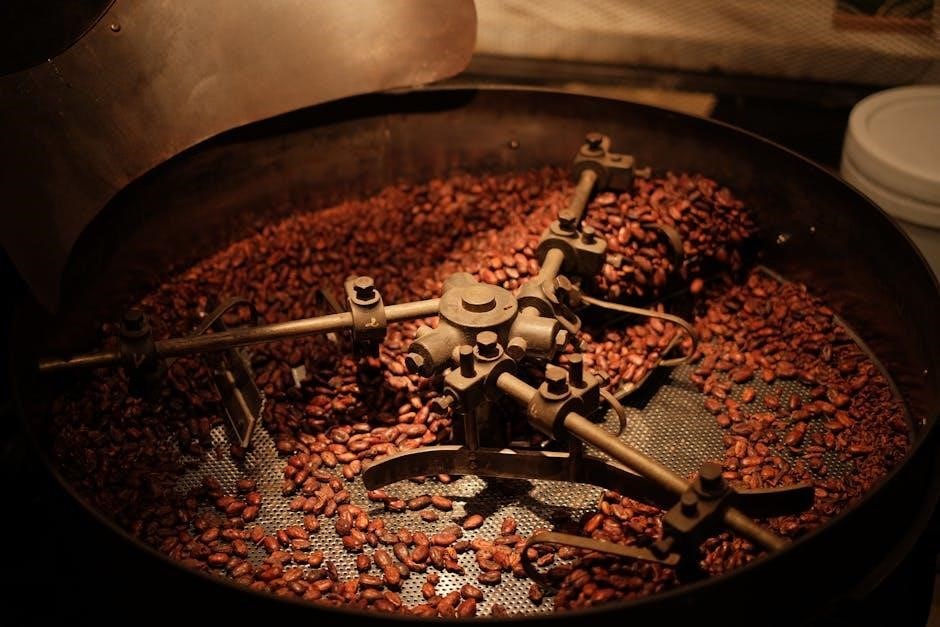
Roast level significantly impacts the final flavor profile of your Vietnamese coffee. Generally, darker roasts are preferred, aligning with the traditional robusta bean profile. Light roasts showcase more acidity and nuanced flavors, while medium roasts offer a balance between brightness and body. However, Vietnamese coffee traditionally leans towards the bolder, more intense flavors achieved through darker roasting.
Dark roasts develop a smoky, chocolatey, and sometimes even slightly burnt character, which complements the sweetness of condensed milk beautifully. They also tend to have lower acidity, making them easier on the stomach. Medium-dark roasts provide a good compromise, offering a robust flavor without being overly bitter. When selecting beans, look for descriptions indicating a darker roast if you’re aiming for an authentic Vietnamese coffee experience. Experimenting with different roast levels, even with robusta beans, can reveal surprising and delightful nuances, but remember the cultural preference for boldness!
Proper Storage to Maintain Freshness
Maintaining coffee bean freshness is crucial for optimal flavor. Exposure to air, moisture, heat, and light degrades coffee quality rapidly. Store your Vietnamese coffee beans in an airtight container, preferably one with a one-way valve to allow CO2 release. Avoid clear containers, as light exposure diminishes flavor.
Whole beans retain freshness longer than pre-ground coffee. If grinding your own, do so immediately before brewing. Keep the container in a cool, dark, and dry place – a pantry is ideal, but avoid storing near the stove or dishwasher. Refrigeration or freezing can extend shelf life, but condensation can be an issue; ensure beans are completely sealed in an airtight container before refrigerating or freezing. Properly stored, whole bean coffee can remain flavorful for several weeks, while ground coffee should be used within a few days for the best results.
Troubleshooting Common Brewing Issues
Addressing brewing problems ensures a delightful cup! Weak coffee may need more grounds, while bitterness often stems from over-extraction or a fine grind size.
Coffee Too Weak?
If your cà phê lacks the robust intensity expected, several adjustments can be made to strengthen the brew. First, consider the coffee-to-water ratio; increasing the amount of ground coffee used in the phin filter is a primary solution. Experiment with adding a teaspoon or two more grounds to your usual measure.
Secondly, ensure your coffee isn’t stale. Freshly roasted and ground beans deliver a significantly bolder flavor. The grind size also plays a crucial role; a grind that’s too coarse will result in under-extraction, leading to a weak brew. Aim for a medium-coarse grind, specifically suited for phin filters.
Finally, verify the water temperature. While not boiling, the water should be hot enough to effectively extract the coffee’s flavors. Insufficiently hot water will hinder the brewing process. Don’t be afraid to experiment with these variables to achieve your desired strength!
Coffee Too Bitter?
A bitter taste in your cà phê often signals over-extraction, meaning too many compounds were pulled from the coffee grounds. Begin by adjusting your grind size; a finer grind increases surface area, accelerating extraction and potentially leading to bitterness. Switch to a slightly coarser grind to mitigate this.
Water temperature is another key factor. Excessively hot water can scorch the grounds, resulting in a bitter flavor profile. Allow the water to cool slightly before pouring it over the coffee. Also, consider the brewing time. A prolonged drip can over-extract, so observe the process and adjust accordingly.
Finally, the quality of your beans matters. Lower-quality or darkly roasted beans are naturally more prone to bitterness. Experiment with different bean origins and roast levels to find a balance that suits your palate.