Mesa Verde Self-Guided Tours: A Comprehensive Plan
Mesa Verde National Park welcomes all visitors! Accessibility is a priority, with lodging, amenities, and campsites designed for everyone to enjoy this historical landscape.
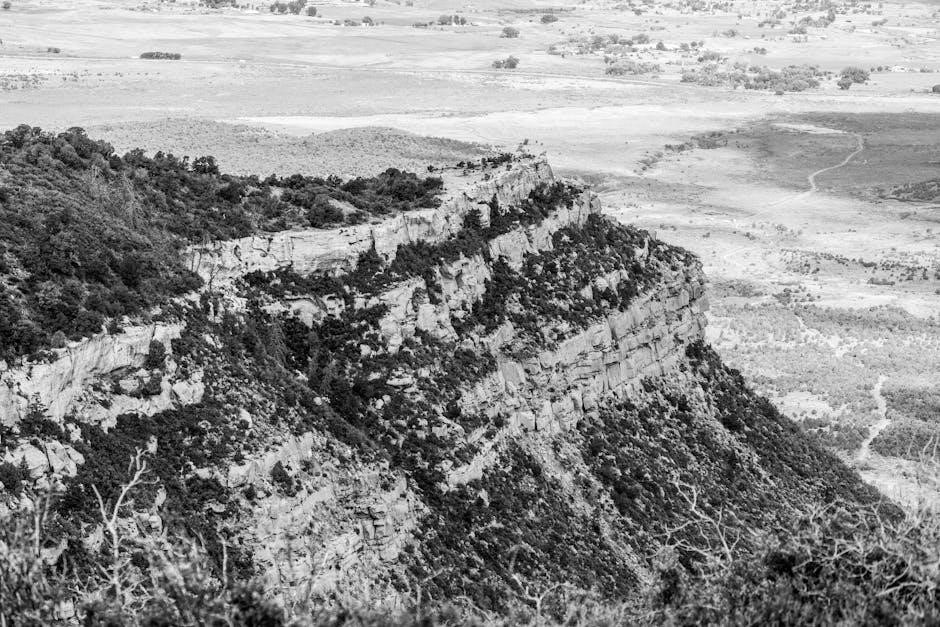
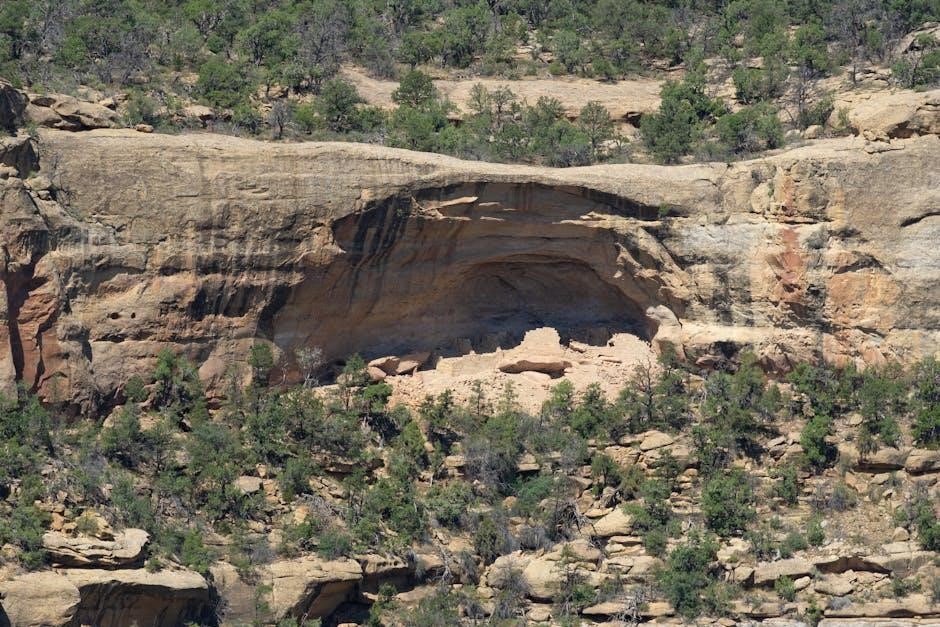
Mesa Verde National Park, nestled in Montezuma County, southwestern Colorado, stands as a remarkable testament to the ingenuity and resilience of the Ancestral Puebloan people. Established in 1906, the park preserves nearly 5,000 archaeological sites, including the iconic cliff dwellings that define its landscape. These ancient homes, built within the alcoves of sandstone cliffs, offer a captivating glimpse into a culture that thrived here for over 700 years.
Visitors embarking on self-guided tours will discover a landscape dramatically transformed over centuries. Initially, people settled atop the mesas around 400 AD, establishing communities and cultivating the land. Around 1190 AD, a significant shift occurred, with populations migrating into the cliff dwellings, utilizing challenging access points like ladders and toe-holds. The reasons for this move remain a subject of ongoing research and speculation.
Today, Mesa Verde offers a unique opportunity to explore this rich history at your own pace. The park is committed to accessibility, ensuring that all guests can experience its wonders. From scenic drives to informative trails, a wealth of options awaits those seeking to connect with the past. Remember to request an accessibility brochure upon entry!
Planning Your Self-Guided Tour
Embarking on a self-guided tour of Mesa Verde requires thoughtful preparation to maximize your experience. Begin by downloading the National Park Service App for up-to-date information, maps, and accessibility details. Obtain an accessibility brochure from the entrance station, Visitor and Research Center, or the museum to understand available accommodations and trail conditions;
Consider the park’s elevation and the rugged terrain when planning your itinerary. Comfortable footwear is essential, and layers of clothing are recommended due to fluctuating temperatures. Hydration is crucial, especially during warmer months. Allow ample time to explore the various sites, as each offers unique insights into Ancestral Puebloan life.

Prioritize the areas that most interest you – Chapin Mesa, Spruce Tree House, Balcony House, and the Mesa Top Loop Road are popular choices. Be aware that access to some cliff dwellings may be limited or require reservations. Remember that every trail and viewpoint provides a unique perspective on this ancient landscape, ensuring a rewarding experience for all visitors, regardless of mobility.
Park Entrance and Fees (as of 02/05/2026)
As of February 5th, 2026, the entrance fee for Mesa Verde National Park is $30 per vehicle. This fee provides access to all areas of the park for seven days, allowing ample time for self-guided tours and exploration of the remarkable cliff dwellings and scenic overlooks. Motorcycles are charged $25, and individual entry by foot or bicycle is $15 per person.
For visitors with disabilities, the National Parks Disability Access Pass offers free entry to all national parks, including Mesa Verde. This lifetime pass is a fantastic opportunity to experience the park without entrance fees. Applications are available online through the National Park Service website.
These fees contribute directly to the preservation and maintenance of the park’s resources, ensuring that future generations can enjoy the wonders of Mesa Verde. Remember to have your payment ready upon arrival at the entrance station to expedite the entry process and begin your adventure promptly.
Accessibility at Mesa Verde
Mesa Verde National Park is dedicated to providing an inclusive experience for all visitors. Recognizing the challenges posed by the park’s elevation and the unique nature of the cliff dwellings, significant efforts have been made to enhance accessibility throughout the park. Upon entering, visitors are encouraged to request an accessibility brochure from the entrance station, Visitor and Research Center, or the museum.
The park offers accessible lodging, amenities, and campsites, ensuring a comfortable stay for guests with varying needs. Every trail and viewpoint provides a unique perspective on the ancient landscape, and the park strives to make these experiences available to everyone, regardless of mobility.
Wheelchair-friendly tips and specific amenity information are readily available. Remember that due to the historical context and terrain, complete accessibility to all areas isn’t always possible, but the park continually works to improve access and provide alternative ways to experience its wonders.
The National Park Service App & Accessibility Brochures
Enhance your Mesa Verde experience with readily available resources designed to maximize accessibility. The National Park Service App is an invaluable tool, offering detailed information about accessible features, trails, and viewpoints within the park. Download it to your smartphone or tablet before your visit for convenient access to up-to-date details.
Complementing the app, physical accessibility brochures are available at key locations throughout Mesa Verde. You can obtain a brochure at the park entrance station, the Visitor and Research Center, and the museum. These brochures provide a comprehensive overview of accessible routes, facilities, and services.
Both the app and brochures highlight wheelchair-friendly options, accessible restrooms, and other amenities crucial for visitors with mobility concerns. Utilizing these resources will help you plan a self-guided tour tailored to your specific needs, ensuring a comfortable and enjoyable exploration of this remarkable archaeological site.
Service Animals in the Park
Mesa Verde National Park warmly welcomes service animals, recognizing their vital role in enabling individuals with disabilities to fully experience the park’s wonders. Service animals are permitted in all areas open to the public, including the fascinating cliff dwellings, offering unparalleled access to the ancestral Puebloan heritage.
This inclusive policy ensures that visitors relying on service animals can participate in all aspects of a self-guided tour, from exploring Mesa Top Loop Road to venturing along accessible trails. There are no restrictions on where a service animal can accompany its handler within the park boundaries.
However, it’s important to remember responsible service animal etiquette. Owners are responsible for maintaining control of their animals and ensuring they do not disturb other visitors or the natural environment. Mesa Verde aims to provide a seamless and respectful experience for everyone, including those accompanied by service animals, fostering a truly inclusive exploration of this historical treasure.
History of Mesa Verde: Ancestral Puebloan People
Mesa Verde National Park preserves the remarkable legacy of the Ancestral Puebloan people, who inhabited this region for over 700 years. Around 400 AD, they began establishing settlements on the mesa tops, cultivating crops and building thriving communities. These early inhabitants demonstrated incredible ingenuity in adapting to the challenging environment.
However, around 1190 AD, a significant shift occurred. For reasons that remain a subject of ongoing archaeological research, the Ancestral Puebloans began migrating from the mesa tops into the alcoves and cliffs. They constructed the iconic cliff dwellings, utilizing intricate masonry and utilizing natural features for protection.
Access to these cliff dwellings was achieved through ladders and toe-holds, showcasing their remarkable engineering skills. These dwellings weren’t simply shelters; they were complex villages, serving as homes, ceremonial centers, and storage facilities. Understanding this history enriches any self-guided tour, offering a profound connection to the people who once called Mesa Verde home.
Cliff Dwellings: A Unique Architectural Marvel
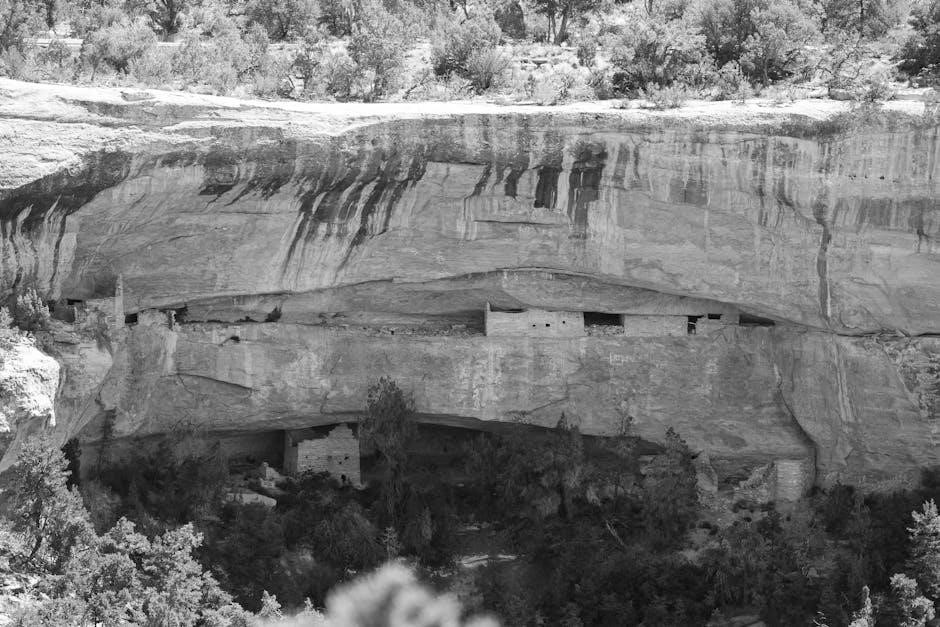
The cliff dwellings of Mesa Verde stand as a testament to the architectural prowess of the Ancestral Puebloan people. These structures, built within natural alcoves in the sandstone cliffs, are not caves but meticulously constructed buildings. Utilizing sandstone blocks, mortar, and wooden beams, they created multi-story complexes that seamlessly blend with the surrounding landscape.
The construction techniques employed were remarkably sophisticated, demonstrating a deep understanding of engineering principles. Walls were often plastered and painted, while roofs were supported by carefully placed timbers. The dwellings weren’t simply functional; they were designed with aesthetic considerations, reflecting the cultural values of their builders.
Exploring these dwellings offers a unique glimpse into the daily lives of the Ancestral Puebloans. The intricate layouts, kivas (ceremonial chambers), and storage rooms reveal a complex social structure and a deep connection to their environment. They represent a truly unique architectural achievement, preserved for generations to come.
Popular Self-Guided Tour Stops ─ Chapin Mesa
Chapin Mesa is a central hub for exploring Mesa Verde, offering several easily accessible and fascinating self-guided tour options. The Mesa Top Loop Road provides stunning panoramic views and access to numerous overlooks, showcasing various cliff dwellings from a distance. This 6-mile drive is perfect for a leisurely exploration, allowing visitors to appreciate the scale of the Ancestral Puebloan settlements.
Spruce Tree House, while currently undergoing stabilization, historically offered a close-up view of a well-preserved cliff dwelling. Balcony House and Square Tower House, though requiring ranger-guided tours for access inside the structures, are visible and offer interpretive information along the trails leading to their access points;
Don’t miss the opportunity to explore the museum at Chapin Mesa, which provides valuable context and insights into the history and culture of the Ancestral Puebloan people. Remember to check the National Park Service app for the latest updates on accessibility and tour availability.
Spruce Tree House (Accessibility Considerations)
Spruce Tree House, one of Mesa Verde’s most iconic cliff dwellings, currently presents significant accessibility challenges. Due to ongoing stabilization efforts addressing rockfalls, direct access inside the dwelling is unfortunately suspended. However, visitors can still view Spruce Tree House from an overlook, offering a partial visual experience of this remarkable site.
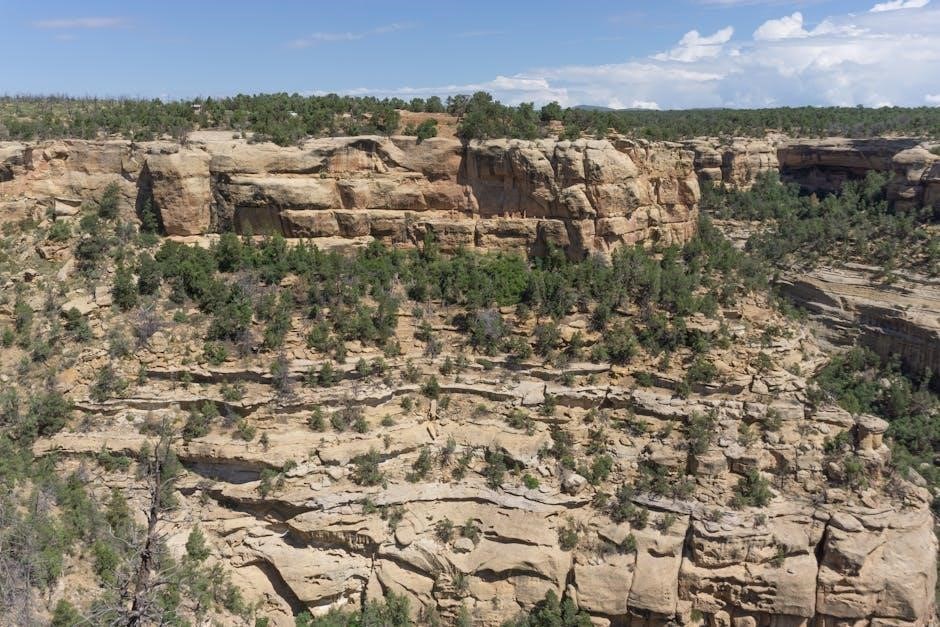
The path to the overlook is paved, providing a relatively smooth surface for wheelchairs and other mobility devices. However, it’s important to note a moderate incline exists along the route. The National Park Service app and accessibility brochures detail the slope’s grade and provide further information.
While the full immersive experience isn’t currently available, the overlook still allows for appreciation of the architectural ingenuity of the Ancestral Puebloan people. Park rangers are available to answer questions and provide historical context. Always check the park’s website for the latest updates regarding access and stabilization progress.
Balcony House (Accessibility Considerations)
Balcony House, renowned for its dramatic setting and challenging access, presents substantial accessibility limitations. This cliff dwelling requires visitors to climb a 32-foot ladder, navigate a narrow tunnel, and ascend a steep stone staircase – making it entirely inaccessible to individuals with mobility impairments or those uncomfortable with heights.
Unfortunately, there is no alternative route or viewing platform that provides comparable access to the interior of Balcony House. The physical demands of the tour preclude participation for anyone unable to manage these obstacles. The National Park Service prioritizes visitor safety and does not offer accommodations to bypass these elements.
However, the surrounding area offers scenic views of the mesa and canyon. Park rangers can provide historical information about Balcony House and the Ancestral Puebloan people who once inhabited it. It’s crucial to review the park’s website and accessibility brochures for detailed information before planning your visit.
Square Tower House (Accessibility Considerations)
Square Tower House, one of Mesa Verde’s most iconic cliff dwellings, presents significant accessibility challenges for visitors. Accessing this site involves a steep climb up two ladders, totaling over 80 feet, and navigating uneven terrain. These physical requirements effectively exclude individuals with mobility limitations, balance concerns, or a fear of heights from participating in the guided tour.
Currently, there are no alternative routes or accessible viewpoints that offer a comparable experience of the interior of Square Tower House. The National Park Service emphasizes safety and does not provide assistance to circumvent the ladders or challenging pathways. The inherent nature of the site prevents universal access.
Visitors unable to participate in the tour can still appreciate Square Tower House from a distance, utilizing viewpoints along the Mesa Top Loop Road. Park rangers offer interpretive programs detailing the history and significance of the dwelling. Consulting the park’s website and accessibility resources is recommended for comprehensive planning.
Mesa Top Loop Road: Scenic Views & Overlooks
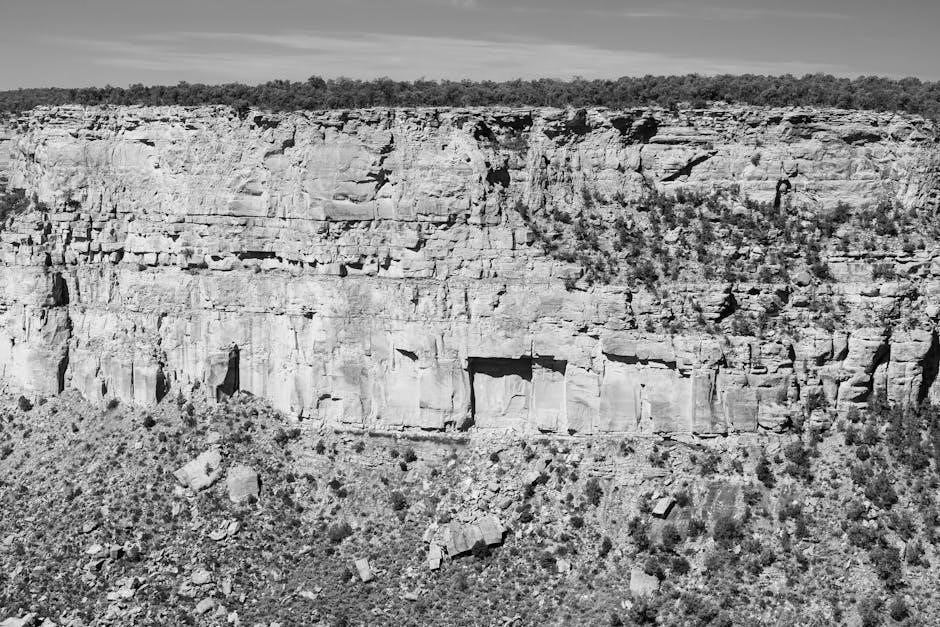
The Mesa Top Loop Road offers a fantastic self-guided touring experience, providing breathtaking panoramic views and access to numerous archaeological sites without requiring strenuous hiking. This six-mile paved road winds along the mesa tops, showcasing several cliff dwellings from above, including Spruce Tree House, Balcony House, and Square Tower House.
Numerous overlooks are strategically positioned along the loop, offering excellent vantage points for photography and observation. Interpretive signs at each stop detail the history, construction, and inhabitants of the ancestral Puebloan sites. This route is ideal for visitors seeking a comprehensive overview of Mesa Verde’s archaeological wonders with minimal physical exertion.
The road is generally accessible to most vehicles, though caution is advised during inclement weather. It’s a perfect option for those with limited mobility or those wishing to experience the park’s beauty at their own pace. Remember to check the park’s website for any temporary closures or alerts before embarking on your journey.
Petroglyph Point Trail (Self-Guided Option)

The Petroglyph Point Trail presents a captivating self-guided experience, immersing visitors in the artistic expressions of the ancestral Puebloan people. This 2.4-mile loop trail descends into a canyon, leading to a concentration of remarkably preserved petroglyphs – rock carvings depicting symbols, animals, and human figures.
The trail itself is moderately challenging, involving some steep sections and uneven terrain. However, the reward is well worth the effort, offering a unique opportunity to connect with the past through these ancient rock art panels. Interpretive signs along the trail provide context and insights into the meaning and significance of the petroglyphs.
Visitors should allow approximately 2-3 hours to complete the trail and fully appreciate the petroglyphs. Bring plenty of water, wear sturdy hiking shoes, and be prepared for sun exposure. This trail offers a truly immersive and rewarding self-guided adventure into the cultural heritage of Mesa Verde.
Hiking Trails & Wheelchair Accessibility
Mesa Verde National Park offers a diverse network of hiking trails, ranging from easy strolls to more strenuous climbs. While the rugged terrain presents challenges for wheelchair accessibility, the park strives to provide inclusive experiences. Several trails offer partial accessibility, allowing visitors with mobility limitations to enjoy the stunning scenery.
The Mesa Top Loop Road provides accessible viewpoints and overlooks, offering panoramic vistas without requiring extensive hiking. Paved sections of some trails, like portions near the Visitor Center, are also wheelchair-friendly. However, access to the cliff dwellings themselves is generally limited due to the steep and uneven terrain.
Remember, every trail offers a unique perspective on the ancient landscape. Check the park’s accessibility brochure or website for detailed information on trail conditions and specific amenities. The National Park Service App also provides valuable accessibility data. The park encourages visitors to plan ahead and choose trails that align with their abilities.
Sun Temple & Sun Point Viewpoint
Sun Temple, a significant archaeological site, represents a fascinating example of Ancestral Puebloan architecture and astronomical alignment. While exploring this area on a self-guided tour, visitors can contemplate the complex ceremonial purposes this structure likely served. Nearby, Sun Point Viewpoint offers breathtaking panoramic views of the surrounding mesas and canyons, providing a stunning backdrop for reflection.
The viewpoint is easily accessible, making it a popular stop for all visitors. From Sun Point, you can gaze upon several cliff dwellings, including Spruce Tree House and Cliff Palace, gaining a broader understanding of the park’s unique landscape. Consider the time of day when visiting; sunrise and sunset offer particularly spectacular views.
Remember to bring water and wear appropriate footwear, even for short walks to the viewpoint. The high elevation and arid climate can be challenging. Take your time to absorb the beauty and history of this remarkable location, imagining the lives of those who once inhabited these ancient lands.
Accessibility and the Cliff Dwellings: Challenges & Options
Mesa Verde’s cliff dwellings present unique accessibility challenges due to their remote locations and the terrain required to reach them. Many dwellings are accessed via steep ladders, narrow passages, and uneven surfaces, posing significant obstacles for visitors with mobility limitations. However, the National Park Service strives to provide inclusive experiences.
While full access to all dwellings isn’t possible, several options exist; Spruce Tree House offers the most accessible cliff dwelling tour, though it still involves some uneven walking. Virtual tours and detailed exhibits at the visitor centers provide immersive experiences for those unable to physically access the sites. The park’s accessibility brochure, available at entrance stations, details specific limitations and available assistance.
Service animals are permitted on all tours, including those to the cliff dwellings. Remember that elevation and climate can impact mobility, so plan accordingly. The NPS App provides updated accessibility information and trail conditions. Every effort is made to ensure all visitors can connect with the park’s rich history.
Resources for Planning: Websites & Information Centers
Planning your Mesa Verde self-guided tour is made easier with a wealth of available resources. The official National Park Service (NPS) website (nps.gov/meve) is the primary source for park information, including maps, alerts, and detailed descriptions of trails and points of interest. Downloadable brochures covering accessibility and tour options are also available online.
Upon arrival, the Mesa Verde Visitor and Research Center serves as a crucial hub. Park rangers offer guidance, answer questions, and provide updated trail conditions. The museum within the center showcases Ancestral Puebloan artifacts and provides historical context. Don’t hesitate to request an accessibility brochure from the entrance station or the museum.
The NPS App is an invaluable tool, offering offline maps, accessibility information, and audio tours. Montezuma County tourism websites also provide regional information. Utilizing these resources will ensure a well-informed and enjoyable self-guided experience, allowing you to fully appreciate the park’s wonders.